Lyceum B - Astronomy - Week 23 - Mars
- Apr 12, 2022
- 4 min read
Mars
Earth is the third planet out from the Sun.
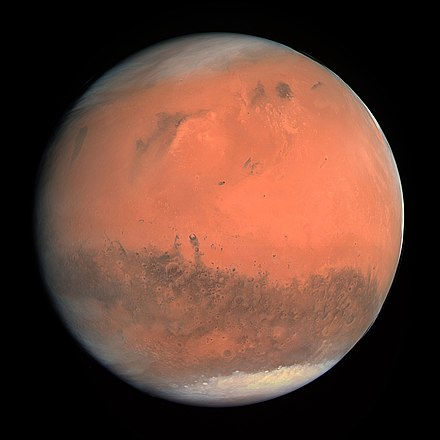
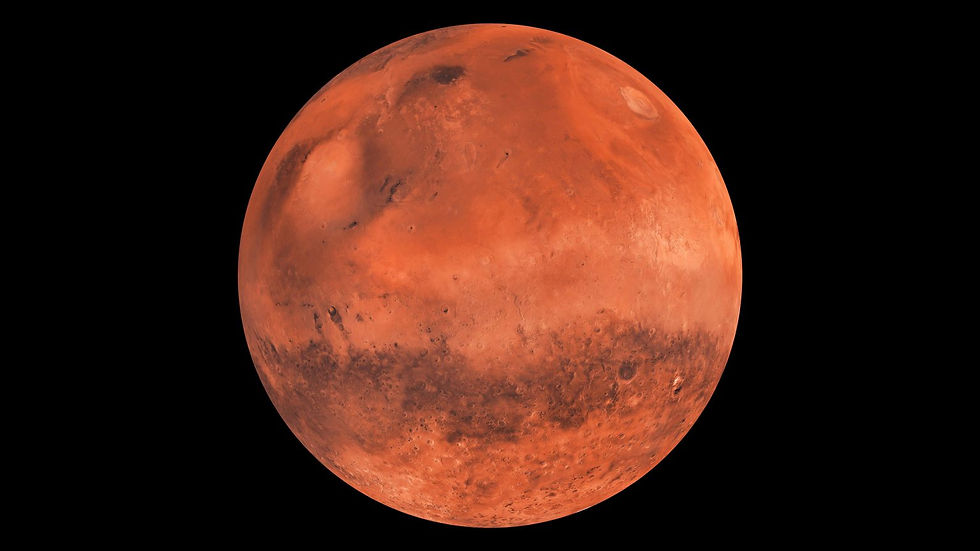
The fourth solid terrestrial planet from the Sun is Mars. Mars is more like Earth than any other planet in our solar system. It has a thin atmosphere to protect its surface from space. It has polar ice caps of ice and seasons like Earth. The major problem with Mars is that is has no protective ozone layer, as Earth does, so life on Mars would probably not survive from the effects of being so exposed to the Sun’s harmful ultraviolet rays.
Mars can be seen at night from Earth without a telescope.
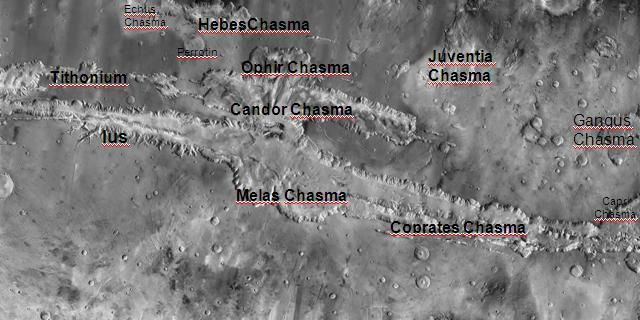
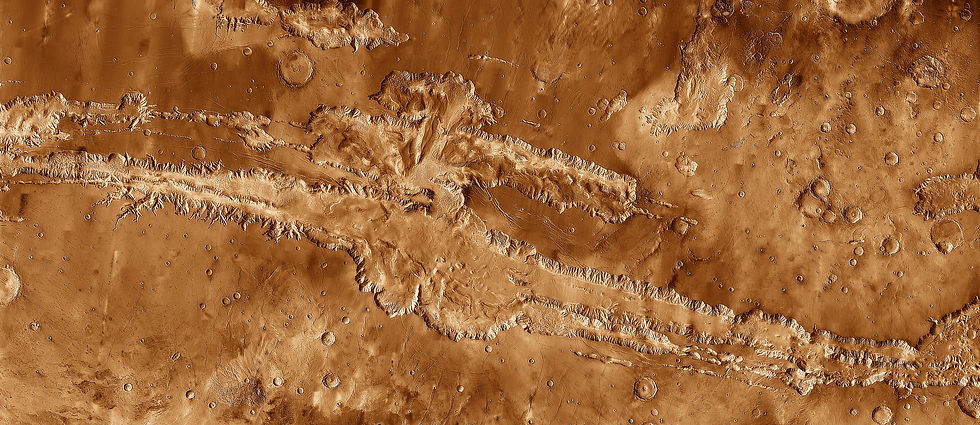
Mars is only half the size of Earth. It has a volcano that is three times the height of Mount Everest and a huge canyon that could swallow up the Alps.
Valles Marineris



Olympus Mons

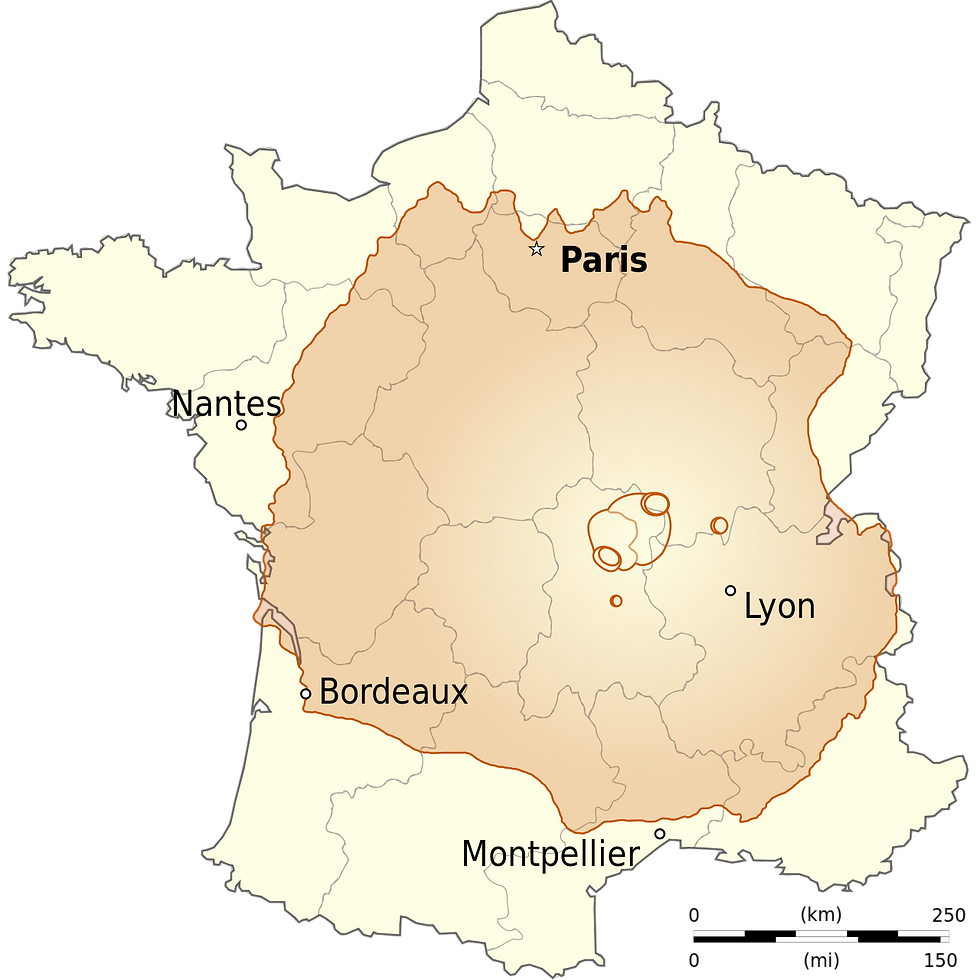
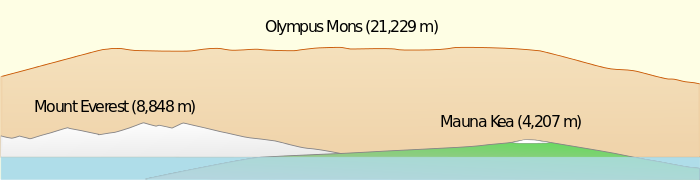

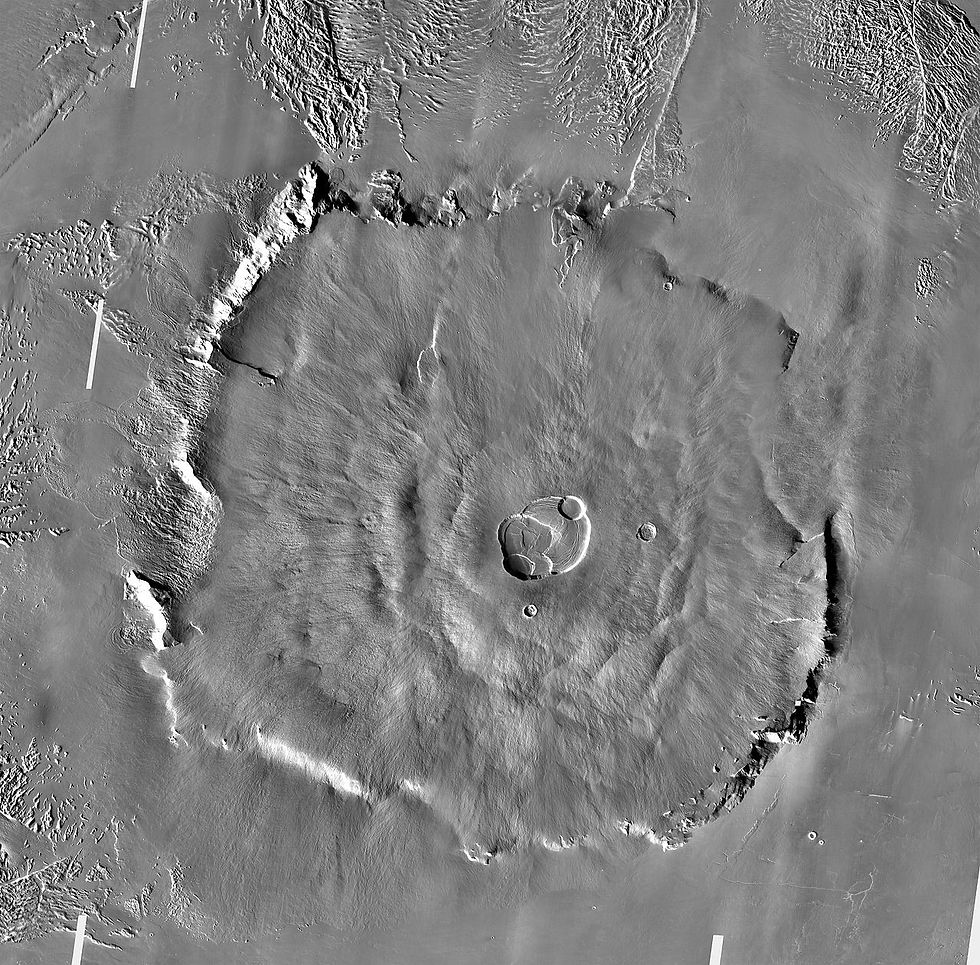

Olympus Mons is no longer an active volcano, but it remains the biggest volcano in our Solar System. It is 16 miles high towering above the thin Martian clouds and375 miles wide, an area at the base larger than the country of Spain.
The reason it grew to such height and width is because unlike the Earth, which is made up of plates that float on the top of the molten rock beneath, Mar’s crust is solid all the way around.
When that molten lava breaks through Earth’s crust, it eventually is submerged back through those plate edges, so it never gets a chance to build upon itself past a certain point. But on Mars, there is no where for the lava to get reabsorbed into the crust below, so it just spews out building higher and higher and wider and wider until the volcano is no longer active.
Mars may have had rivers at one time or even oceans.
Mars is nicknamed “the Red Planet”. This red color is caused by iron compounds in the Martian soil rusting. Iron rusts as a result of exposure to water. Because of its color and the fact of dried up stream beds and river valleys on the surface indicate there was once water on the planet.
Mars has two moons, named Deimos and Phobos, which have may have been asteroids at one time.
Since Mars is farther away from the Sun than Earth, it is a cold planet and temperatures rarely rise above freezing.
In the 1800s some astronomers thought that the straight streaks and shadows crisscrossing each other that they could detect on Mar’s surface via early telescopes must have been irrigation canals and ditches, and that perhaps there was (or had been) intelligent life on Mars.
But when two Viking space probes parachuted to its surface in 1976, they only found frozen red soil. It turns out those intersecting canals were not connecting lines at all, but merely shadowed “dots” on the surface that acted as an optical illusion caused by the eyes “connecting” the dots.
The Viking landers used a long scoop to collect samples of rock and soil. The Viking landers monitored the weather and sent back information to Earth via satellite.
Scientists had hoped to find microscopic life on Mars, but all they found was a chemically reactive soil.
Telescopes picked up views of Mars that seemed to always be changing. For a long while people thought that perhaps these changing shadows and light areas meant a growth and retreating of vegetation with the Martian seasons, like what happens on Earth, but with the advance in telescopes and the information we received from the Viking landers, we now know this changing surface feature is caused by huge dust storms that can last up to 5 months at a time.
From nasa.gov
“Every year there are some moderately big dust storms that pop up on Mars and they cover continent-sized areas and last for weeks at a time,” said Michael Smith, a planetary scientist at NASA’s Goddard Space Flight Center in Greenbelt, Maryland.
Beyond Mars’ large annual storms are massive storms that occur more rarely but are much larger and more intense.
“Once every three Mars years (about 5 1/2 Earth years) on average, normal storms grow into planet-encircling dust storms and we usually call those ‘global dust storms’ to distinguish them,” Smith said.
The winds in the strongest Martian storms top out at about 60 miles per hour, less than half the speed of some hurricane-force winds on Earth.
Focusing on wind speed may be a little misleading, as well. The atmosphere on Mars is about 1 percent as dense as Earth’s atmosphere. That means to fly a kite on Mars, the wind would need to blow much faster than on Earth to get the kite in the air.
“The key difference between Earth and Mars is that Mars’ atmospheric pressure is a lot less,” said William Farrell, a plasma physicist who studies atmospheric breakdown in Mars dust storms at Goddard. “So things get blown, but it’s not with the same intensity.”
Individual dust particles on Mars are very small and slightly electrostatic, so they stick to the surfaces they contact like Styrofoam packing peanuts.
Talk about Mars Rovers - Spirit and Opportunity:
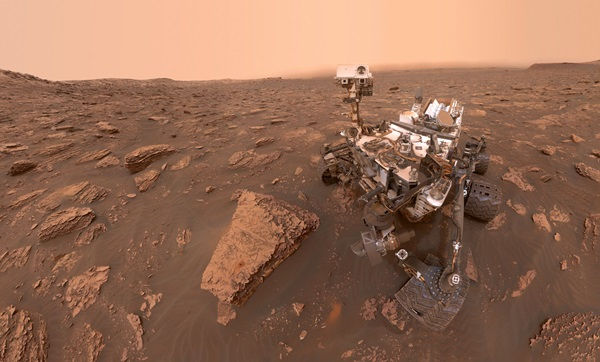
In 2012, the Curiosity Rover landed on Mars:

Nasa renames Mars Lander in honor of Carl Sagan
Carl Sagan - 1913 - 1996
The latest probe, Mars rover - Perseverance, sent two Mars in 2021

-------------------------------------------
Videos:
History of Astronomy Part 4: Kepler's Laws and Beyond - 9:06 min
Mercury: Crash Course Astronomy #13 - 10:17 min


Comments