Lyceum B - Astronomy - Week 16 - The Sun
- Mar 22, 2022
- 4 min read
Because the sun is just another star, we can learn about other stars by studying the sun.

This telescope in Arizona called the McMath Solar Telescope was built specifically to observe the sun. A mirror at the top of the tower reflects light down the diagonal tunnel 500 ft where deep underground, astronomers study a large focused image of the sun.
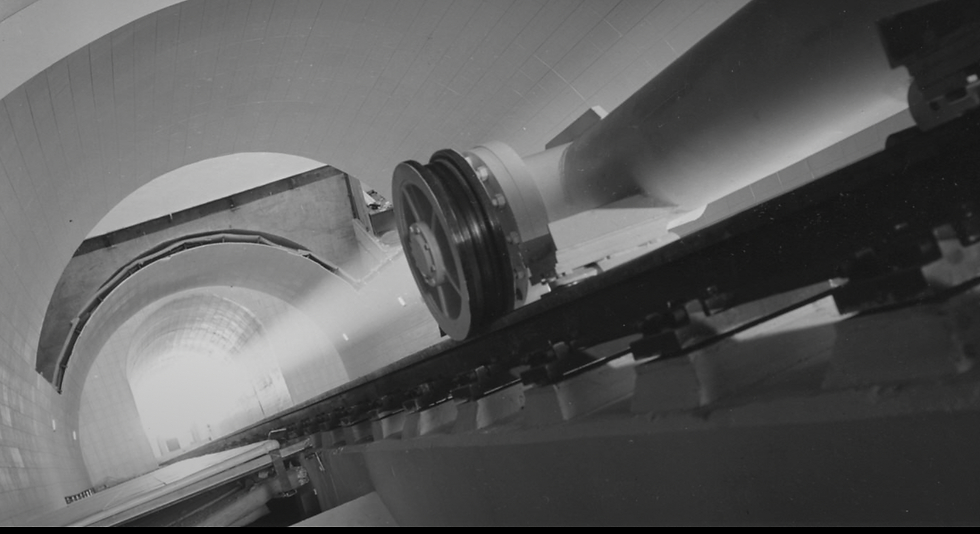
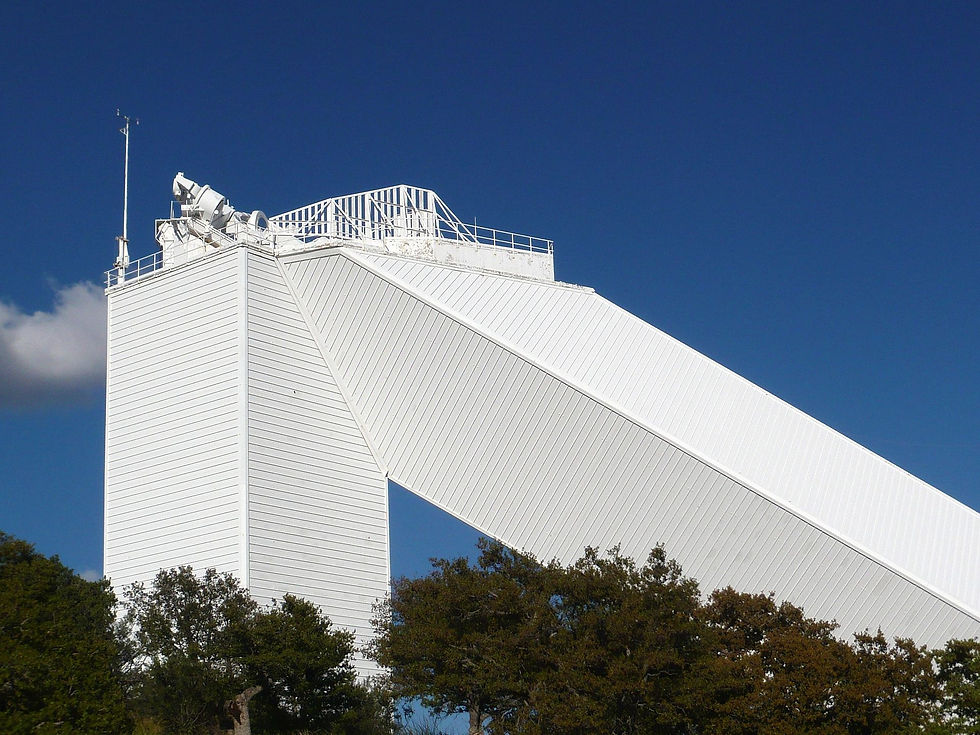


Built in 1962, the building was designed by American architect Myron Goldsmith and Bangladesh-Pakistani structural engineer, Fazlur Rahman Khan. It is the largest solar telescope and the larges unobstructed aperture telescope in the world. - wiki
——————————————————
Never look directly at the Sun. The heat of the sun is so powerful that focused on the back of your retina as it would if you looked directly at the sun, it would damage your retina and your ability to see.
In professional solar observatories, a lens or mirror focuses a magnified image of the sun onto a screen so that it can be studied without imperiling the vision of the scientists. Or they will use a filter that dims the Sun’s light by a million times, so they can photograph the sun.
—————————————
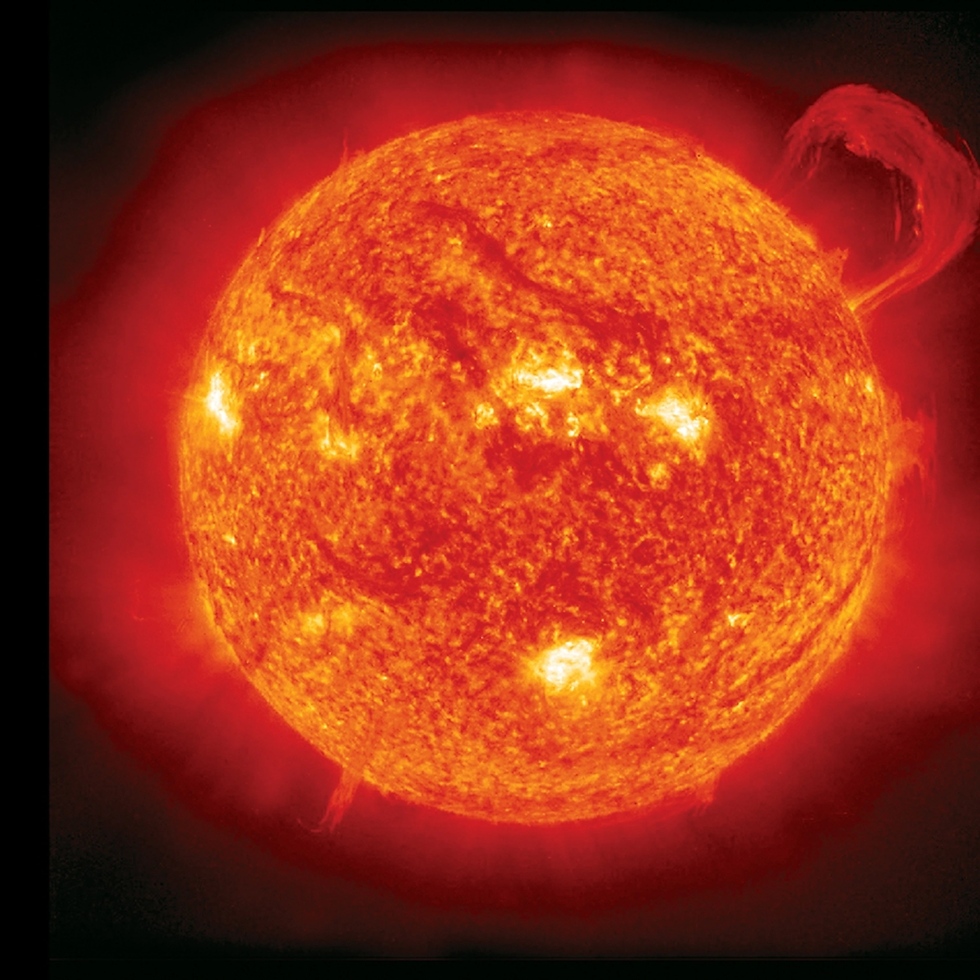
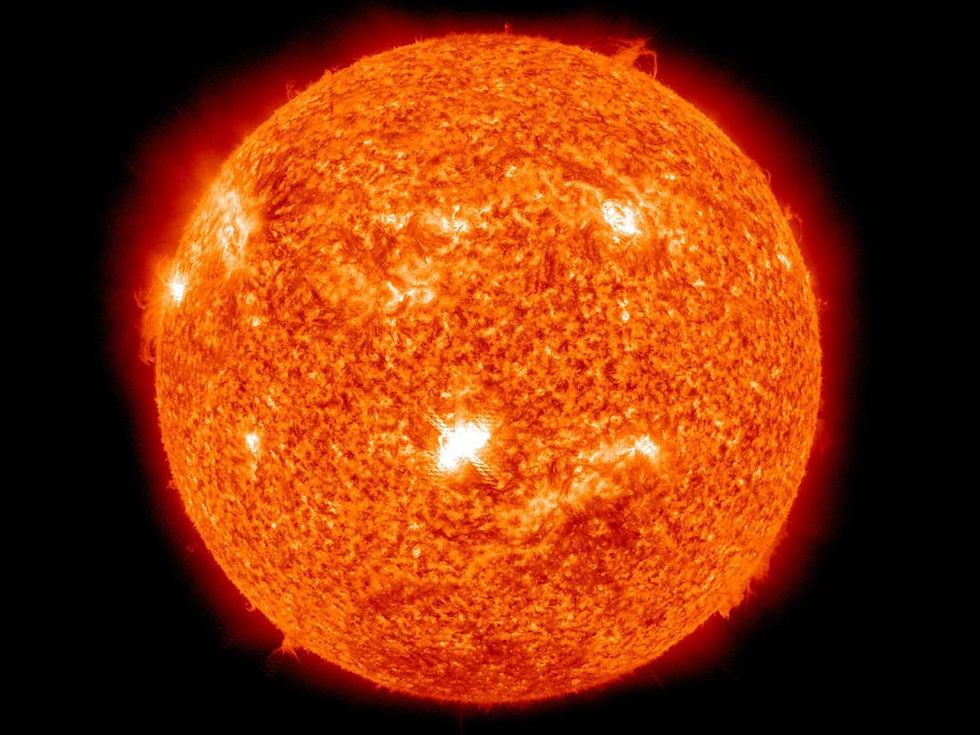
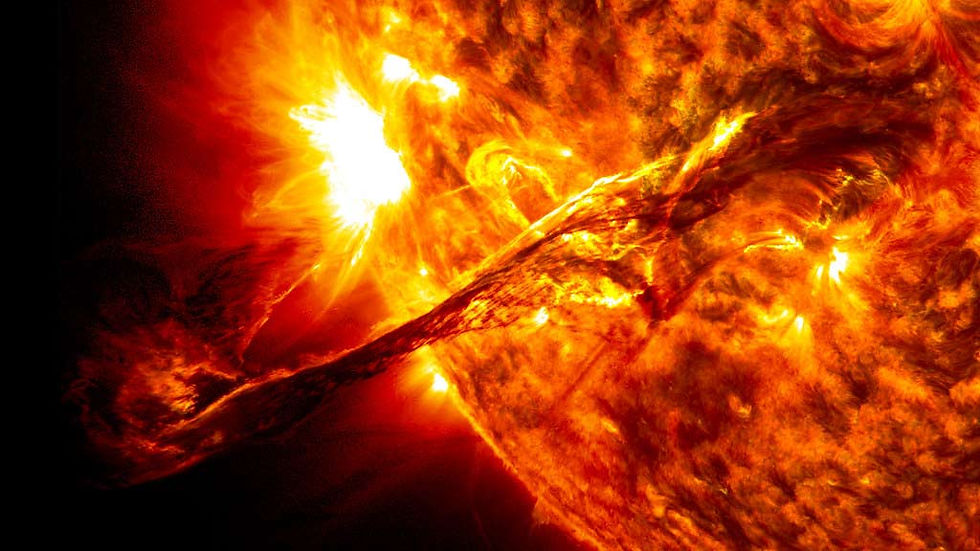
The sun is a star just like all of the other stars we see in the sky. It is just closer to us, so it looks so much bigger.
As a matter of fact, even though there sun is huge compared to the size of the earth, our sun is actually on the rather small side as far as stars go - a medium sized star. The sun is 1,0000 times more massive than all of the planets together.
The sun is made of two gases - hydrogen and helium. Through a process called thermonuclear fusion, it changes the hydrogen into helium. It is the energy in heat and light from that process that spreads throughout the solar system, including to earth.
Thermo - relating to heat
Nuclear - relating to the nucleus of an atom / relating to, or powered by the energy released in nuclear fission or fusion.
That process creates a great amount of heat - the sun can get up to 27 million degrees of Fahrenheit.
The sun was born about 4.5 million years ago and will die out about 5 billion years from today.

Experiment:
Close up of the Sun - A Star
When you look at an image of the sun, you are not looking at a solid surface like you would if you looked at Earth ,Venus, Mars or the Moon. What you are looking at is the topmost layer of a huge mass of gas. The sun is so hot, nothing on it can exist as either a solid or liquid.
You need a room where the sun shines that also has heavy curtains that can block out the sunlight.
Make a 1/16th inch hole in poster board. Tape it to the window near the top of the window. What we want is when the curtains are closed around this tiny opening, the light from the sun will only shine through this tiny hole in the pasteboard.
Hold another sheet of white poster board in the beam of the light shining through.
On the poster board you are holding will be an image of the sun. This is how to safely view the Sun.
————————————————————————
How Bright is the Sun?
Needs to be done on a bright sunny day in a room that allows the sun to shine in, onto a table where you have a desk lamp with a 60 watt bulb.
Draw a line down the middle of a large sheet of white poster board. Label one half “Sun” and the other half “Light Bulb”.
Set up the poster board so the the Sun shines only on the Sun side.
Set up the desk lamp so that it only shines on the Light Bulb side. Adjust the desk lamp until the light on the pasteboard is as bright as the light on the sun side.
Draw a circle around the lamp light.
Measure the circle and using a compass, draw an equal size circle on the sun side.
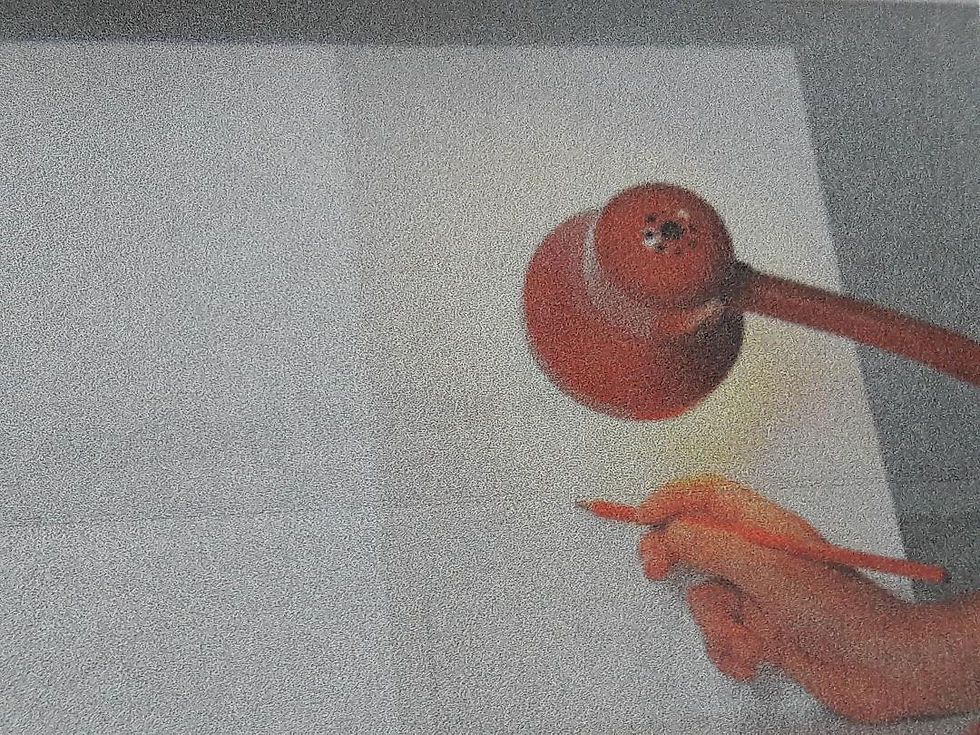
We now know that the Sun shining on a section of poster board the size of your circle is the same power as the 60 watt bulb.
Fill up there Sun side completely with circles the same size.
Count the number of circles you have drawn.
Just on the poster board, the sun is shining as brightly as that many 60-W light bulbs.
—————————————————
The Heat of the Sun
About half of the energy from the sun comes out as light, the other half comes out as heat.
Note with this experiment - never look at the sun.
Do this experiment some place where you will have direct sun shining on you.
You will need a magnifying glass and a plate with an unwrapped chocolate bar at room temperature.
Use the magnifying glass to focus the sunlight on the chocolate bar.
What happens?
———————————————————
Solar Power Stations in New Mexico
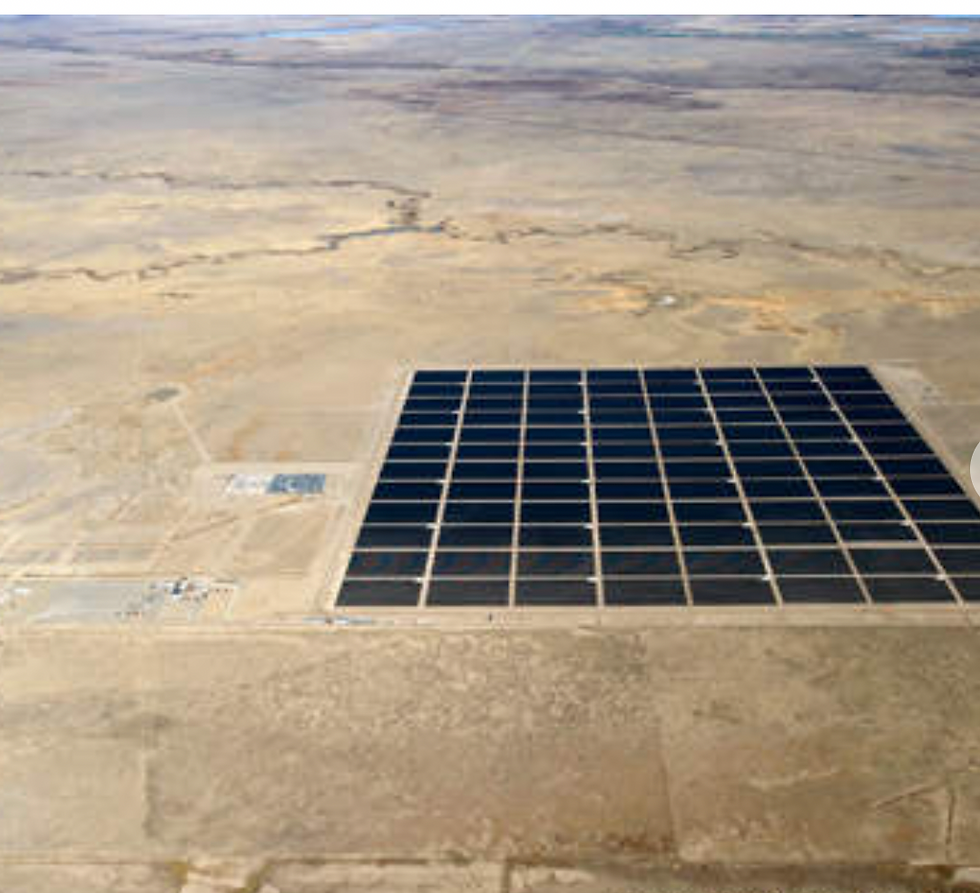
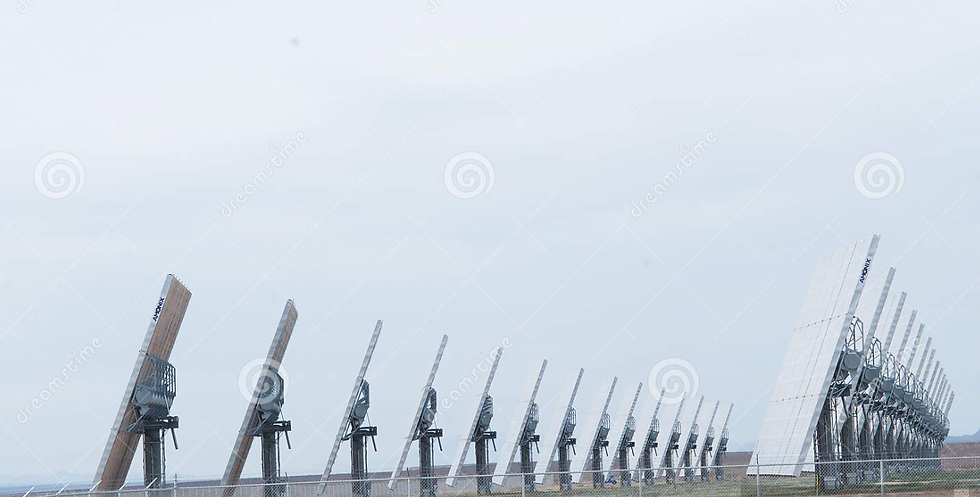
The Cimarron Solar plant is a 30MW solar power plant launched in December 2010. Located in Colfax County in north-eastern New Mexico, it is one of the largest utility scale power plants in the U.S. The plant was developed by First Solar and sold to a partnership between Southern Company and Turner Renewable Energy in March 2010. First Solar will continue to provide operation and maintenance service to the plant as part of a 25 year contract.
Solar power Farm, Southern New Mexico.
————————————————————————
Shadows
Light moves in straight lines. If there is a solid object in the path of a sun’s light rays, it will not pass through the object and there will be a dark area behind the object whereever the light rays could not penetrate.
In the morning on a sunny day, draw your shadow on a flat surface:
Have someone draw the outline of your shadow. At different times in the afternoon, stand in the same exact spot and have them trace the outline of your shadow again.
See how your shadow becomes elongated and changes direction depending on the position of the Sun.
Shadows are short at mid-day when the sun is directly overhead, because the sun’s rays reach the ground in a short, more direct path.
Shadows are long and thin in the morning and late afternoon, when the Sun is lower in the sky because the Sun’s rays travel in a longer, slanting path to reach the ground.
Following the Sun: Crash Course Kids #8.2 - 4.52 min



--------------------------------
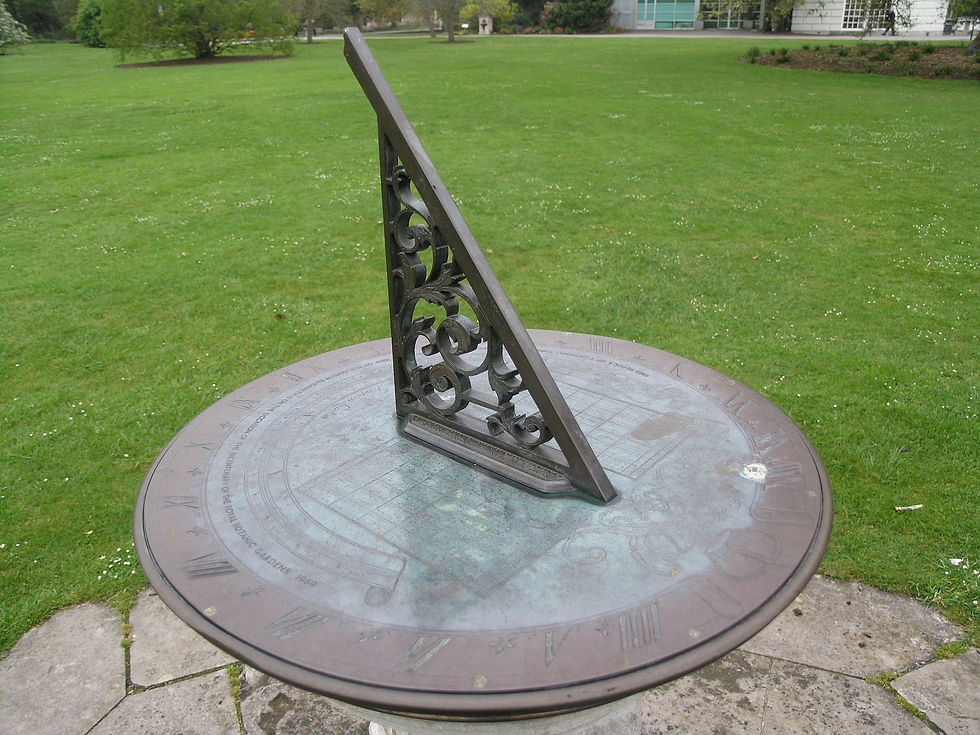
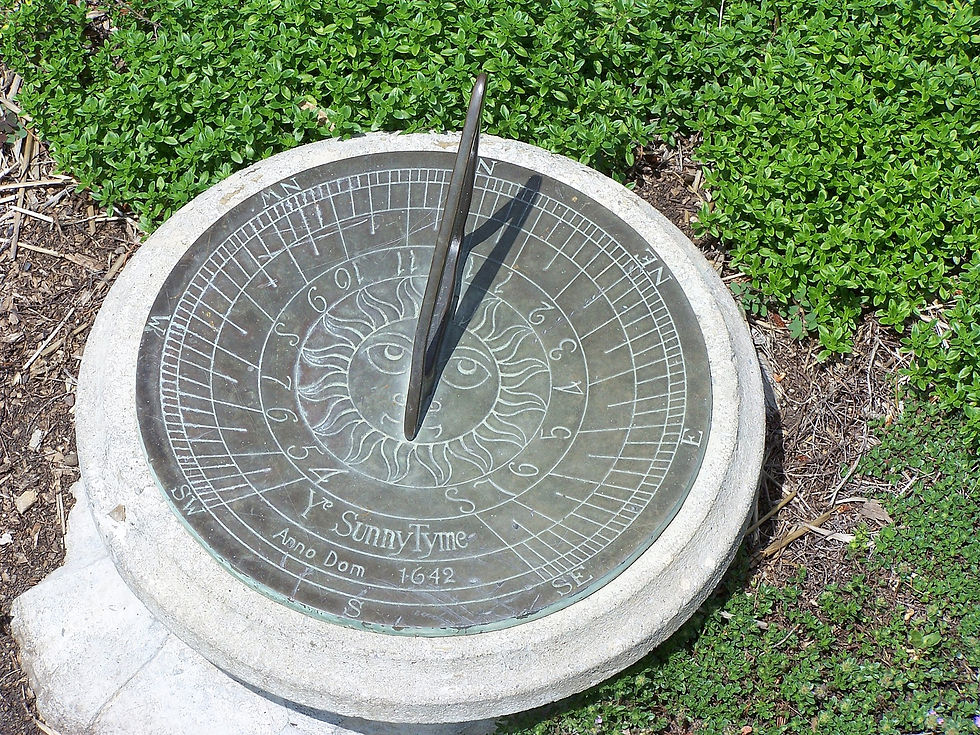
Make a Simple Sundial! - SciShowKids - 4.14 min
Hila, Binary Sundial
Make a Sundial Using Plants

Videos
How to Make Black Holes (Both Regular and Supermassive) - Professor Dave Explains - 9:25
Telescopes: Crash Course Astronomy #6 - Crash Course - 11.59 min


Comments